More Than Magic, More Than Myth
For decades, comic books have been a mirror reflecting and distorting cultural identities. Few identities have been as mystified, misunderstood, and maligned as that of the Haitian character in Western media. Yet among the pages of Marvel, DC, and a growing number of independent publishers, Haitian superheroes are beginning to rewrite those narratives. At the center of this cultural evolution stands Jericho Drumm, better known as Doctor Voodoo, one of Marvel’s most mystically charged characters and arguably the most recognizable Haitian superhero to date.
But he is not alone. The growing list of Haitian superheroes compiled by World of Black Heroes (Fraser, 2022) offers a broader, more nuanced picture of what Haitian representation in comics can—and should—be. As a professor of philosophy and a counselor, I believe these characters offer important insights into race, spirituality, resilience, and how identity is shaped through storytelling.
Doctor Voodoo: A Cultural Touchstone with Complicated Roots
Created by Len Wein and Gene Colan in 1973, Doctor Voodoo (originally Brother Voodoo) embodies both potential and stereotype. On one hand, he represents one of the few explicitly Haitian characters in mainstream American comics. On the other hand, his earliest depictions often leaned heavily on the exotic, the arcane, and the sensational aspects of voodoo.
Doctor Voodoo is a psychologist who returns to Haiti after his brother’s death and becomes a powerful Houngan (Vodou priest). While this story attempts to respect Haitian spirituality, it also frames it through a Western gaze: voodoo as mystery, power, and danger. This plays into a long history of exoticizing Haitian culture, especially its spiritual traditions (Hurbon, 1995).
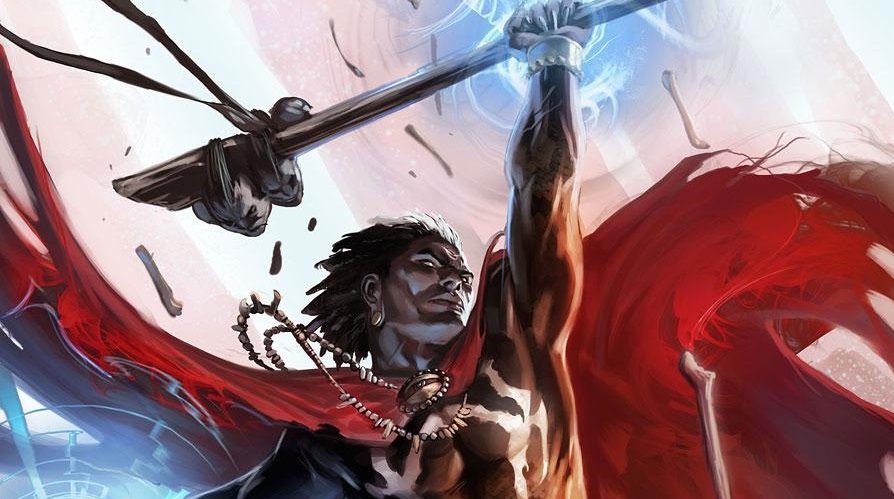
Yet over time, especially through writers like Rick Remender in Doctor Voodoo: Avenger of the Supernatural (2009), the character gained depth, complexity, and heroism rooted not only in magic but in moral leadership. Jericho becomes Sorcerer Supreme, a title previously held by Doctor Strange, signaling a shift toward inclusion and authority.
Still, Doctor Voodoo walks a tightrope. While his representation has evolved, many readers still associate him primarily with mysticism rather than intellect or emotional nuance. As a counselor, I find this concerning: when the psychological and spiritual are reduced to spectacle, we lose the human underneath.
Beyond Jericho: A Gallery of Haitian Heroes
The list of Haitian superheroes featured by World of Black Heroes (2022) is both exciting and necessary. Characters like:
- Houngan (DC Comics): A Haitian immigrant with Tech/Magic powers and community roots.
- Felix Zumac (DC Comics): A Haitian zoologist and anthropologist, one of twelve chosen for a cultural exchange to Themyscira.
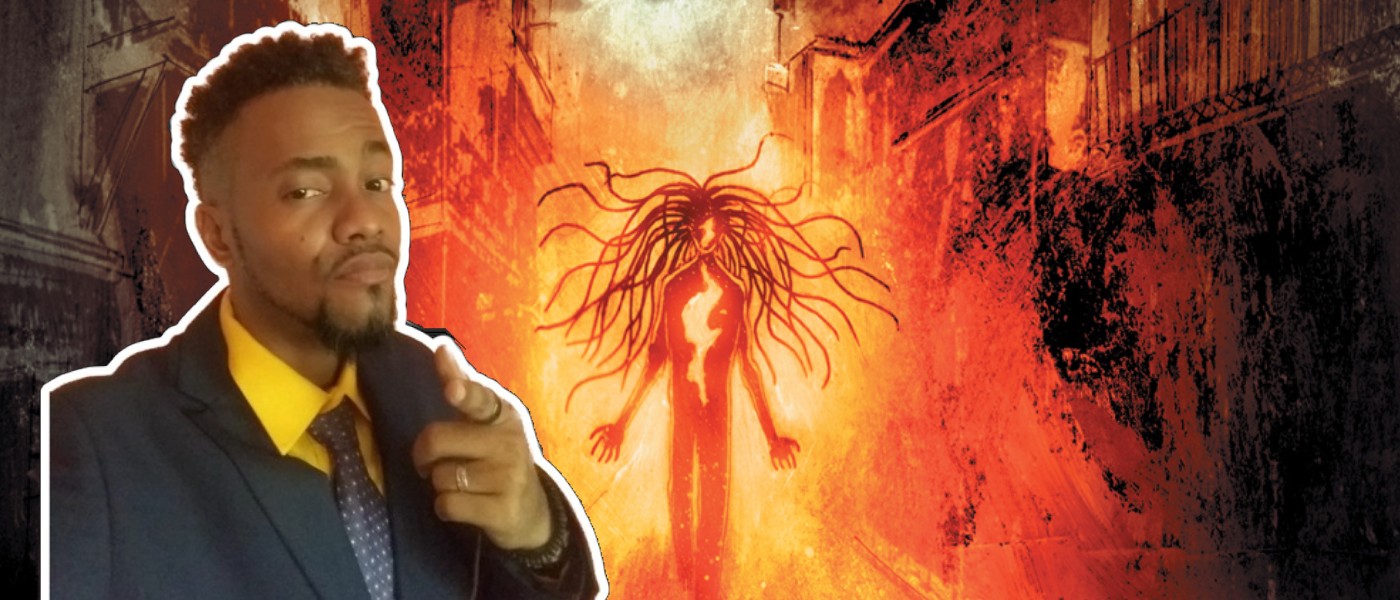
- Voodoo Child (Virgin Comics): Set in post-Katrina New Orleans, this character blends Haitian folklore with urban resistance.
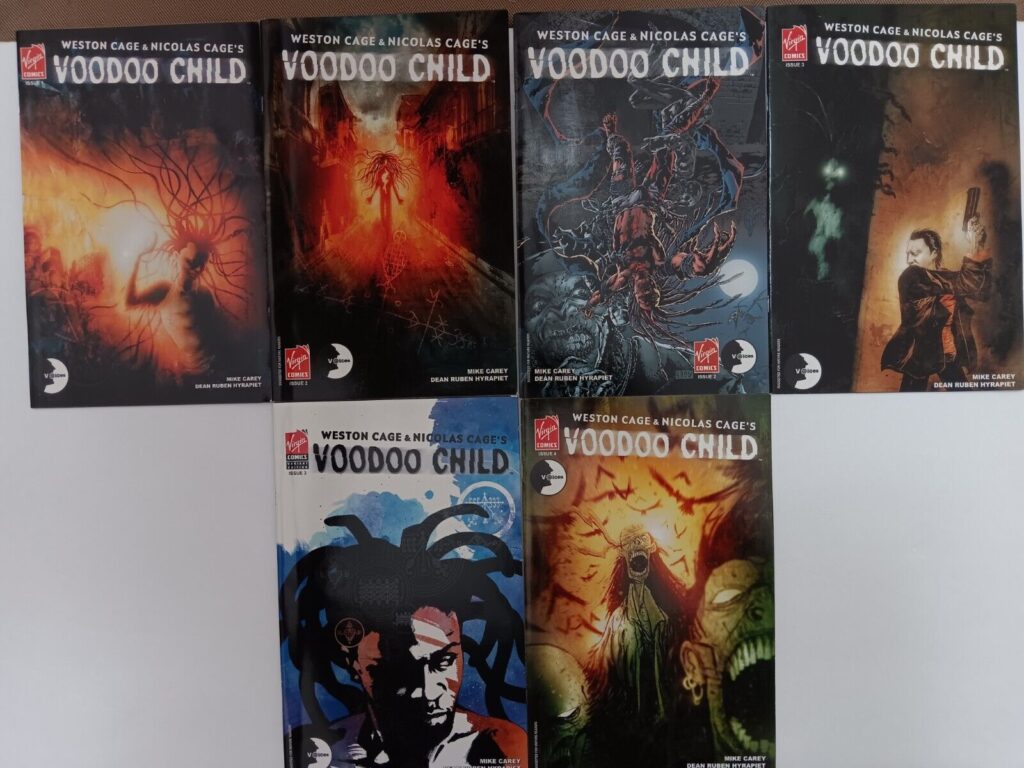
These characters expand representation beyond the usual tropes. They showcase Haitians as thinkers, fighters, empaths, and leaders. Importantly, many are embedded in real-world struggles—immigration, racism, environmental disaster—and not just magical quests.
This is vital for Haitian and Afro-Caribbean youth who rarely see themselves portrayed positively in mainstream media. Representation matters not just for inclusion but for imagination—what is possible, who gets to lead, and how cultural knowledge can become a source of power rather than shame.
Vodou and Visibility: Unpacking the Spiritual Lens
In many comics, especially those created outside Haiti, Vodou is treated more as a plot device than a philosophy. This mirrors broader Western depictions that paint Vodou as either dark magic or cultural curiosity (Desmangles, 1992). Yet in Haitian reality, Vodou is a rich, community-rooted system of belief that offers meaning, healing, and identity.
Doctor Voodoo’s early reliance on spiritual spectacle reflects what philosopher Aimé Césaire called the colonization of the mind—a way of reshaping colonized identities to fit dominant narratives. When Vodou is only presented as otherworldly or fearsome, it devalues its ethical and communal dimensions.
Fortunately, newer interpretations and independent creators are pushing back. These representations are reclaiming Vodou as a living, evolving worldview that can anchor superheroes in values like justice, compassion, and balance. As an educator, I find this reclamation critical. It invites both Caribbean and non-Caribbean readers to confront their assumptions and engage with complexity.
Psychological Impact: Representation, Self-Worth, and Identity Formation
From a counseling perspective, media representation has psychological consequences. When youth—especially Haitian or Afro-Caribbean—see themselves depicted as voodoo sorcerers or side characters, it can reinforce feelings of alienation or exoticism. On the other hand, when characters like Jericho Drumm rise to become Sorcerer Supreme or fight alongside the Avengers, that sends a different message: You belong. You matter.
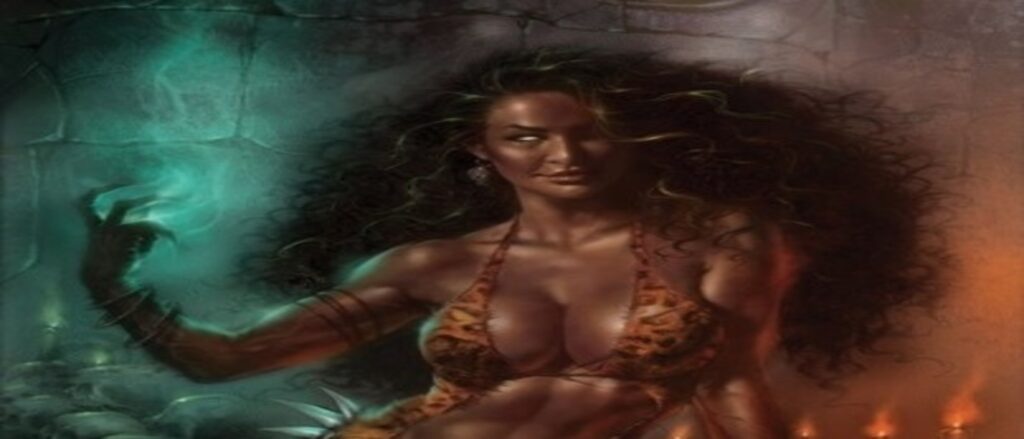
In therapy sessions with youth of Caribbean descent, I’ve seen how pop culture heroes influence self-image. One client once told me, “I didn’t think we were allowed to be superheroes.” The fact that such a sentence can be uttered underscores the importance of creating and promoting characters who affirm identity rather than marginalize it.
We must also acknowledge that identity isn’t built in a vacuum. Media literacy—especially in comics—is essential for helping young readers distinguish between respectful representation and tokenism.
Toward a Future of Nuanced Narratives
Haitian superheroes are still underrepresented, but their presence is growing. Thanks to independent publishers, fan communities, and platforms like World of Black Heroes, we are seeing a renaissance in Black and Caribbean storytelling.
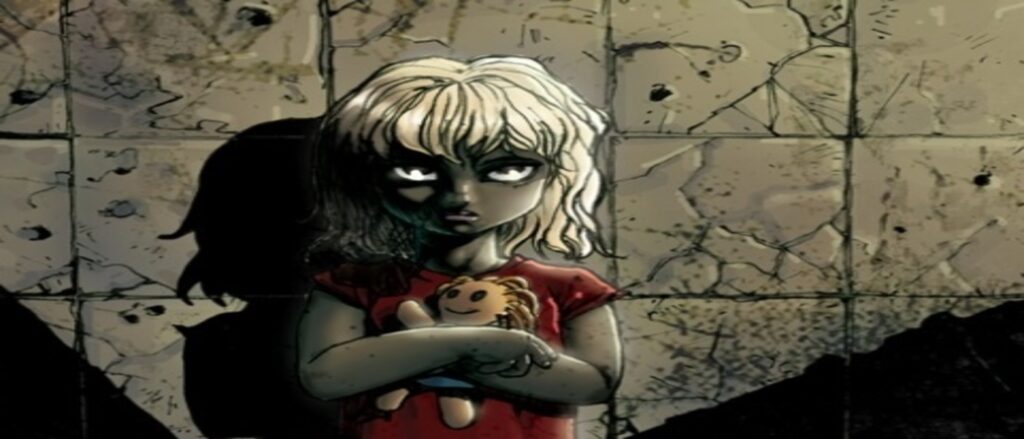
Creators are now more aware of the responsibility they hold. Characters are being given fuller backstories, personal arcs, and ethical dilemmas. They’re not just magic users—they’re mentors, community defenders, and cultural ambassadors.
As we move forward, we must ask: Are we creating Haitian characters with authenticity, depth, and cultural literacy? Are we listening to Haitian voices in the creative process? And are we teaching our students and children to value diverse ways of being heroic?
Heroes Who Heal and Honor
The Haitian superhero is more than a figure of fantasy. He or she is a cultural emissary, a spiritual mirror, and a symbol of resilience. From Doctor Voodoo’s mystical rise to the independent voices forging new paths in Black comics, we are witnessing a slow but meaningful shift.
It’s a shift that not only impacts the comic industry but also touches classrooms, counseling spaces, and communities longing for authentic mirrors. As a professor and counselor, I see in these characters the potential to educate, empower, and evolve our understanding of what heroism truly means.
Because in the end, the truest kind of magic is the power to see yourself—and your culture—as worthy of the spotlight.
References
Desmangles, L. G. (1992). The Faces of the Gods: Vodou and Roman Catholicism in Haiti. University of North Carolina Press.
Fraser, R. (2022). List of Haitian Superheroes. World of Black Heroes. Retrieved from https://worldofblackheroes.com/2022/01/01/list-of-haitian-superheroes/
Hurbon, L. (1995). Voodoo: Search for the Spirit. Harry N. Abrams.
Remender, R. (2009). Doctor Voodoo: Avenger of the Supernatural. Marvel Comics.
Césaire, A. (2000). Discourse on Colonialism. Monthly Review Press.